
Planning a trip to New Zealand and wondering how to stay connected? Choosing between a New Zealand eSIM and a physical SIM card can impact your travel convenience and costs. Both options offer access to local networks, but they differ in setup, flexibility, and pricing. Here’s a quick guide to help you decide which one suits your travel style best.
Table of Contents
What is eSIM?
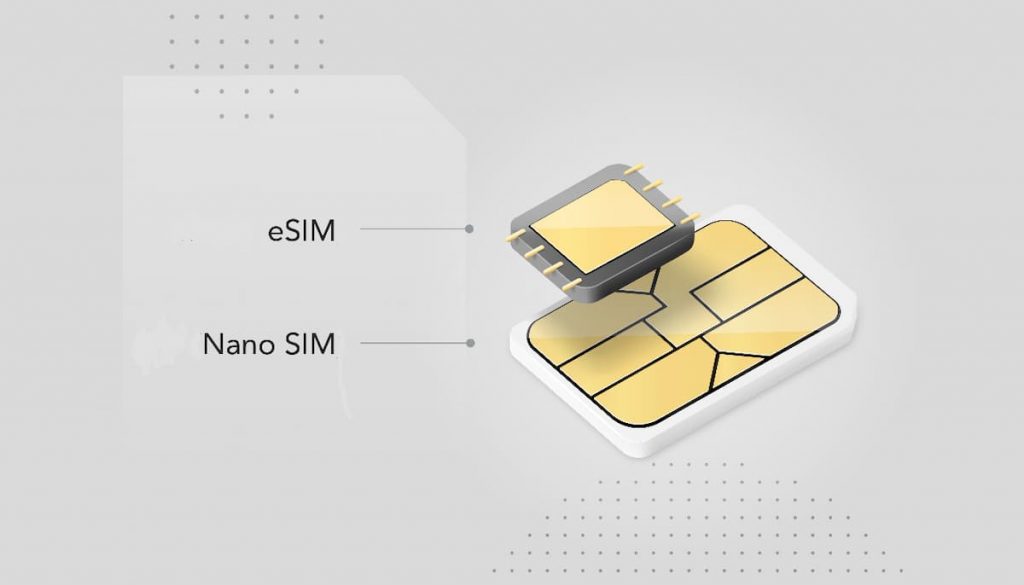
An eSIM (embedded SIM) is a digital version of the physical SIM card you’re used to. Instead of inserting a small chip into your phone, you simply scan a QR code and instantly download a mobile data plan. This means no hunting for SIM card kiosks at the airport and no fiddling with tiny trays.
For most visitors, New Zealand’s fast-paced lifestyle means reliable mobile data is essential. Whether it’s navigating with Google Maps, booking rides, paying through mobile apps, or uploading travel photos, you’ll need stable internet everywhere you go.
Can I use eSIM in New Zealand?
Yes, you can use eSIM freely there. As long as your smartphone supports eSIM technology. Most newer iPhones, Google Pixels, and Samsung Galaxy devices are eSIM-compatible. You can check your phone’s settings to confirm.
In recent years, eSIM New Zealand services have become increasingly popular. Many tourists prefer them for their instant activation, flexible validity, and no-physical-contact setup. New Zealand’s major operators and travel eSIM providers now offer affordable plans, making it easier than ever to get connected before you even land.
What is a traditional SIM card?
A SIM card is a small plastic chip inserted into your phone to access mobile networks. Tourists can buy prepaid SIM cards at:
- New Zealand International Airport kiosks
- 7-Eleven or Circle K convenience stores
- Mobile operator shops
With a SIM card, you’ll need to physically insert it into your phone and often show your passport for registration. It’s straightforward but can be inconvenient if you arrive during off-hours or don’t want to swap SIMs.
New Zealand eSIM vs SIM Card: Which is better for visitors?
While both eSIMs and physical SIM cards connect your phone to mobile networks for calls, texts, and data, they operate differently.
- Choose eSIM if you travel frequently and want the convenience of switching networks digitally without handling physical cards. It’s perfect for managing multiple numbers or embracing a fully digital setup.
- Choose a physical SIM if you regularly switch phones or use a device that doesn’t support eSIM. It’s a simple, reliable option that doesn’t require Wi-Fi or extra steps for activation.
- Use both if your phone supports dual SIM. Having an eSIM for your main number and a physical SIM for backup offers maximum flexibility, ideal for travelers, remote workers, and business users who need reliable connectivity on the go.
| Feature | eSIM New Zealand | SIM Card New Zealand |
| Setup | Instant via QR code | Requires physical purchase |
| Availability | Buy online anytime | Limited to store hours |
| Device support | eSIM-compatible only | Works with almost all phones |
| Flexibility | Switch plans easily | Must swap cards physically |
| Environmental | No plastic waste | Generates plastic waste |
Where to buy a New Zealand eSIM
- Online eSIM providers
You can purchase a New Zealand eSIM online before your trip, eliminating the hassle of searching for a SIM at the airport. One recommended source is esimnewzealand.com, offering a range of data plans that connect to New Zealand’s top carriers and support 5G speeds.
It can be purchased online and installed before arriving in New Zealand, eliminating the need to queue at the airport to buy a SIM.
- No passport is required for registration.
- It provides many plans for visitors to choose from.
- Supports 5G network
- Local New Zealand Providers
Spark, One New Zealand or other operators offer eSIM services directly through their websites. Purchasing directly from local carriers often provides the best network coverage and most competitive local pricing.
Conclusion
Both eSIM and physical SIM cards have their strengths, and the right choice ultimately depends on your device, travel habits, and personal preferences. If your phone supports it, eSIM New Zealand is the clear winner for convenience, speed, and eco-friendliness. Physical SIM cards are still a good option for older devices or travelers who prefer face-to-face purchases.